Most UK winter lawn content recommends an elaborate routine of feeding, treating, and intervening through the dormant months. Almost all of this is wrong. Winter lawn care is mostly about restraint — letting the lawn rest, protecting it from unnecessary damage, and preparing for spring rather than forcing growth.
This guide covers what genuinely needs doing across November through February, and the practices to actively avoid that often appear in less rigorous winter advice.
Why winter is different
Grass enters dormancy when soil temperatures drop below 6-8°C, which in the UK typically happens in late October to mid-November. Once dormant, grass conserves resources rather than growing. Visible activity stops, but the lawn isn’t dead — it’s waiting.
This dormancy changes what helps and what hurts. Anything that pushes growth (high-nitrogen feed, repeated mowing, watering) wastes resources the grass can’t use and may produce soft growth vulnerable to disease and frost damage. Anything that damages the dormant lawn (heavy traffic on frozen grass, leaf cover suffocating the surface, salt contamination from paths) creates problems that show up in spring as bare patches and weak areas.
The right winter approach is therefore minimal intervention with attention to a few specific protective practices.
November: final preparations
By November, the active growing season is ending. Most of November’s lawn work is closing out the year rather than starting new initiatives.
Final cut at appropriate height. Cut once more in early to mid-November to bring the lawn to its overwintering height of around 40-45mm. This is slightly longer than summer cut height — the longer leaf provides some cold protection and helps the grass produce energy during occasional warm winter days when limited photosynthesis is possible.
The “scalp it short for winter” advice that appears in some older lawn content is wrong for UK conditions. Short grass overwinters worse than slightly longer grass — more vulnerable to fusarium patch in damp conditions, less able to recover from frost damage.
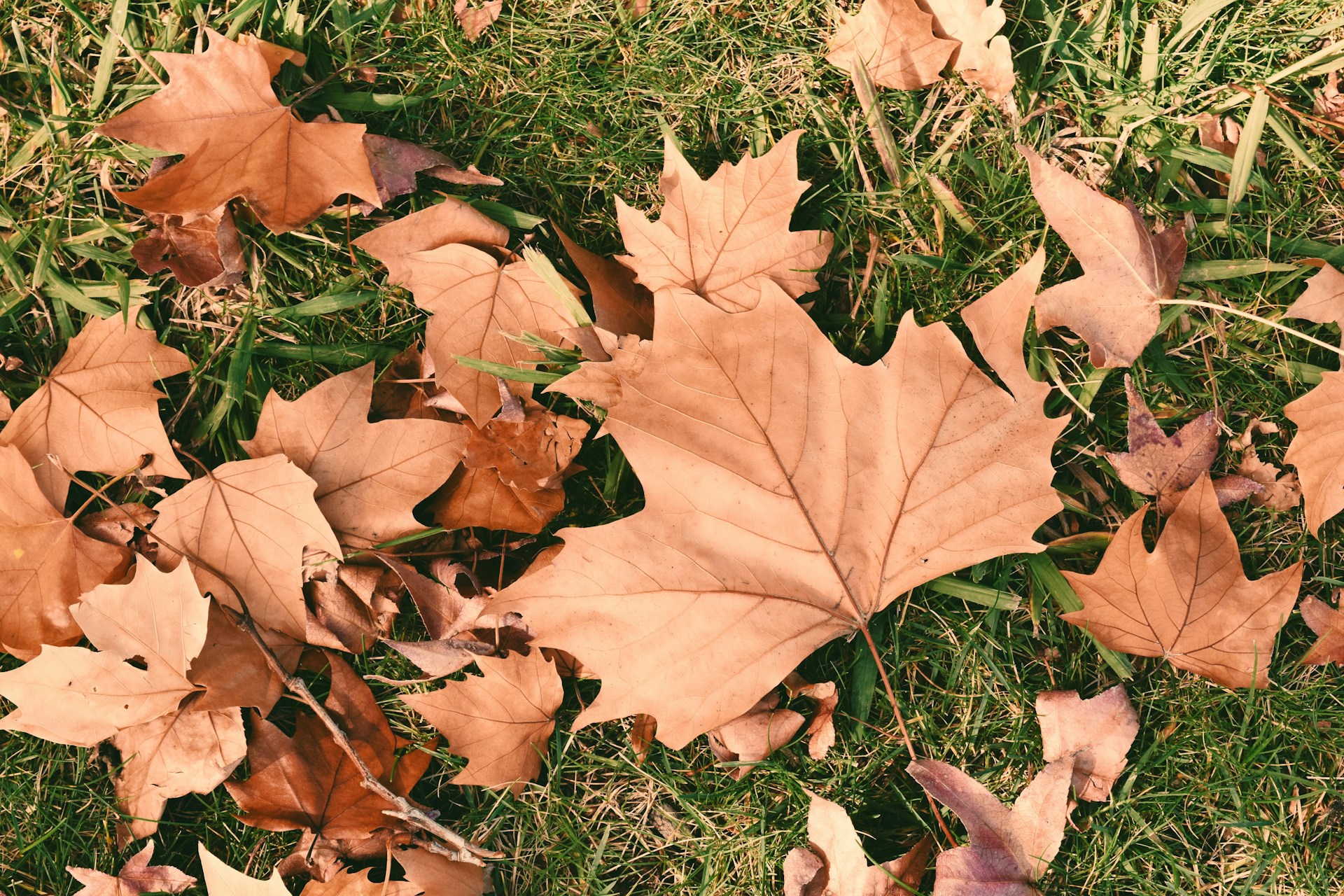
Clear leaves systematically. Heavy leaf cover is the single biggest preventable winter lawn problem. Leaves block light, trap moisture against the grass, encourage disease, and create perfect moss-establishing conditions. Either rake leaves regularly through the falling weeks, mow with a rotary mower (set high to mulch them in if leaf cover is light), or use a leaf blower for efficient collection.
Composting collected leaves separately produces leaf mould — valuable mulch for next year’s beds. Don’t add fresh leaves to the lawn compost; their slow decomposition creates problems.
Service and store equipment. Drain petrol from petrol-powered tools to prevent fuel system gumming. Charge cordless batteries to around 40-60% (not fully charged) for storage longevity. Sharpen mower blades and scarifier cassettes. Clean and oil hand tools. Properly stored equipment is ready for action in March; equipment dumped in the shed often needs servicing or repair before spring use.
Final feed if appropriate window was missed. If you didn’t get an autumn feed down in September-October, the early November window is the last opportunity. Use proper autumn feed (low nitrogen, high potassium) — covered in our best lawn feed for UK gardens guide. After mid-November, no feed produces useful results until spring.
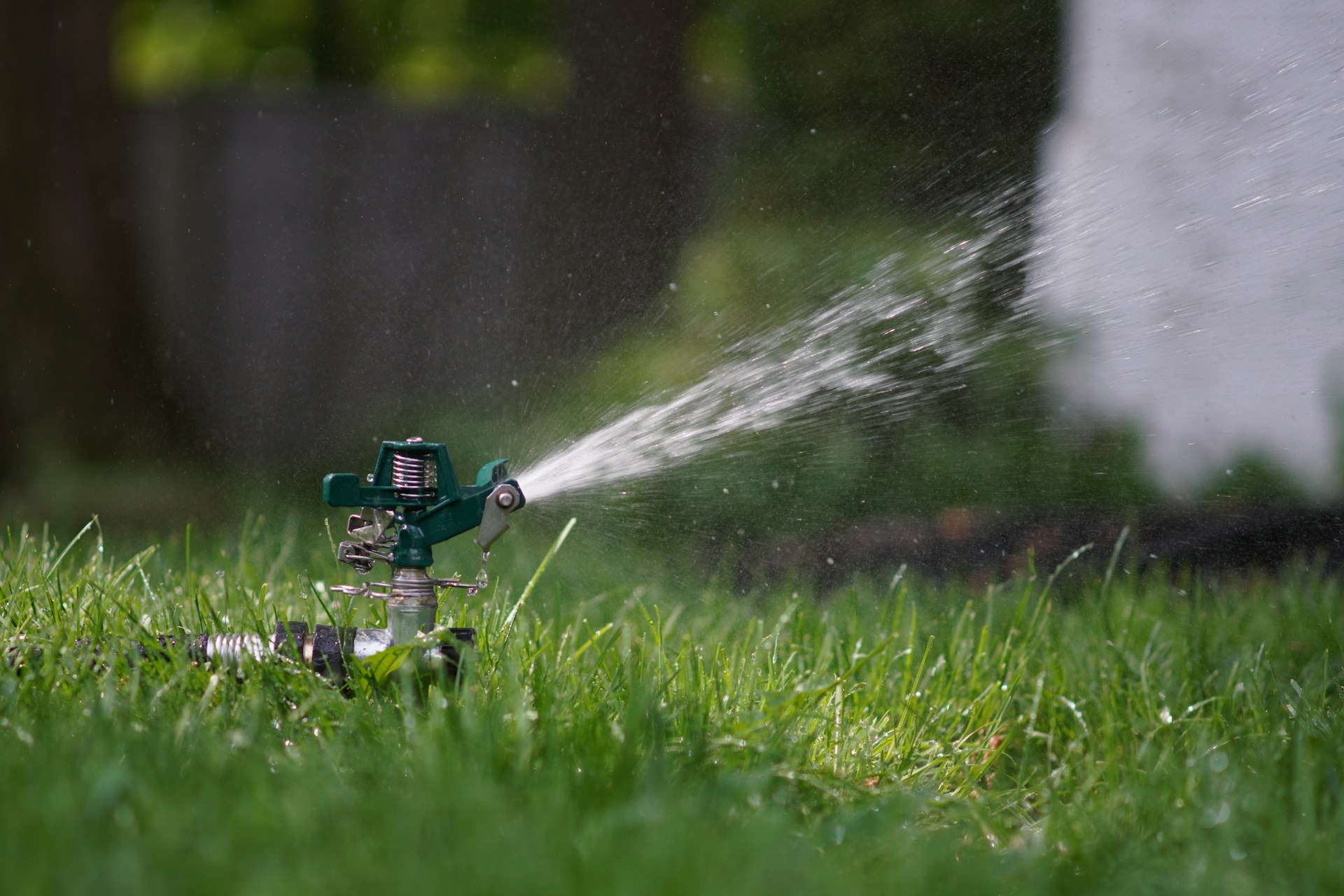
Drain irrigation systems. Hosepipes, sprinklers, and any irrigation infrastructure that could freeze need draining. Cracked fittings discovered in March cost more than the prevention.
December and January: protective restraint
December and January are about minimising damage rather than active intervention. Three specific practices matter.
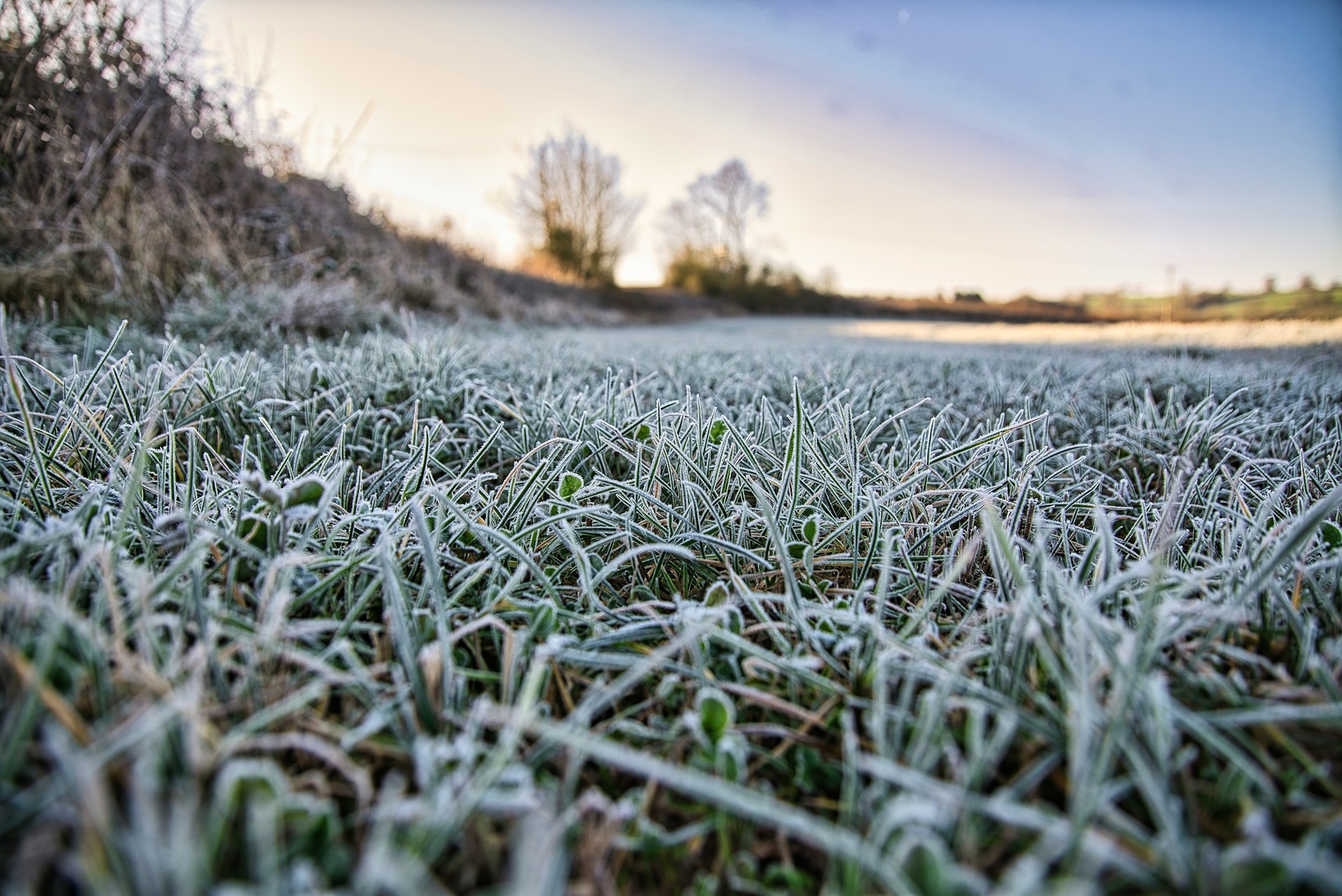
Avoid traffic on frozen or waterlogged grass. This is the single most damaging winter behaviour for lawns. Walking on frozen grass crushes the cell structure of the dormant blades, producing visible footprint patterns that take months to recover. Walking on waterlogged grass compresses the soil into a compacted mess that takes a full season to recover from.
If you need to cross the lawn in winter — to reach a bird feeder, fetch firewood, deal with garden tasks — vary the route so no single track gets repeated traffic. Stepping stones laid through the lawn, or placed temporarily in winter, prevent track damage if specific routes are unavoidable.
Watch for and clear debris. Branches, leaves blown back onto the lawn, anything that creates dense surface cover for more than a few days encourages fungal disease. Quick weekly walks to clear blown debris prevent accumulation.
Protect from salt contamination. If you salt paths or driveways for ice, the runoff onto adjacent lawn causes salt damage that shows in spring as yellow strips. Either use grit rather than salt, sweep salt back onto the path before it dissolves into the lawn, or accept the strip damage and plan spring repair.
What not to do in December and January:
- Don’t feed. Nutrients leach away unused; soft growth invites disease.
- Don’t water. UK winter rainfall handles soil moisture more than adequately.
- Don’t mow. No active growth means no need to cut.
- Don’t apply moss killer or weed treatments. Cold temperatures prevent these from working effectively.
- Don’t scarify or aerate. Frozen or saturated soil damages worse than it improves.
- Don’t reseed. Soil temperatures are too cold for germination.
Genuine winter lawn restraint is harder than it sounds because there’s a constant temptation to “do something.” The right response is usually nothing.
February: the transition month
February is when winter genuinely begins to end in most of the UK. Soil temperatures start rising in late February to early March, and the first preparation tasks for spring become appropriate.
Test soil pH if you haven’t recently. UK soils trend acidic over time. February is the right time to test (results inform spring decisions) and to apply lime if needed (winter rainfall continues washing lime into soil structure).
A simple pH test kit costs around £15 and tells you whether spring lime application is appropriate. Below pH 5.5, garden lime applied at 50-100g per square metre adjusts soil chemistry in time for active growth. Don’t lime by guesswork — over-application creates its own problems.
Plan and order spring supplies. Seed, dressing, scarifier hire, fertiliser — these book up or sell out in March and April when demand peaks. February is the right time to plan the year’s work and order what you’ll need. Most quality UK lawn seed suppliers (The Grass People, Boston Seeds) have current-year stock available from February onwards.
Light debris clearance. As temperatures rise marginally, debris that accumulated through deep winter becomes a problem more than a side issue. Light raking on dry days clears the surface without disturbing still-dormant grass.
Service equipment if not done in November. Mid-February is the last comfortable window before spring demand floods service shops. Get mowers, scarifiers, and any motorised equipment serviced now or wait until April with a non-functioning machine.
Watch for early growth signals. In southern UK, late February occasionally produces enough warmth for grass to begin active growth. If your lawn shows clear new growth, the spring care window has begun — covered in our spring lawn care UK guide.
Disease management
Winter is when fungal diseases most commonly appear in UK lawns. Most clear in spring without intervention; a few warrant attention.
Fusarium patch (snow mould). Pale brown circular patches with possible pinkish edge, appearing in cool damp conditions especially after snow lay on the lawn. Caused by the fungus Microdochium nivale, favoured by lush late-autumn growth and high humidity.
The cause prevention matters more than treatment: avoid late autumn nitrogen feeding (which produces vulnerable soft growth), maintain good air movement (rake leaves promptly, don’t let debris accumulate), keep mower at appropriate autumn height. If fusarium appears, most patches clear in spring as conditions dry; severe infections may need fungicide application but home options are now limited.
Red thread. Pink threadlike growth on grass tips, especially in nitrogen-deficient lawns during humid weather. The cause is nitrogen deficiency combined with humidity. The fix is restored fertility in spring — red thread typically clears within 2-3 weeks of appropriate feeding.
Other fungal diseases. Various less-common diseases occasionally appear — dollar spot, brown patch, take-all patch. These are mostly issues for maintained sports turf rather than domestic lawns and usually don’t warrant treatment in home garden contexts.
Pest pressure
Winter pest issues are generally low but two warrant attention.
Leatherjackets and chafer grubs from autumn damage. If autumn revealed grub damage that wasn’t fully addressed, surviving grubs may continue light feeding through milder periods. Bird activity (crows, magpies, starlings persistently digging) signals continuing problems. Treatment with parasitic nematodes is timing-sensitive (chafer grubs in early autumn, leatherjackets in late summer) so winter is mostly about identifying continuing problems for action in the next appropriate window.
Mole activity. Moles work through winter when ground isn’t frozen, producing distinctive mounds. Knock down hills before the smothered grass beneath dies. Persistent mole activity in winter usually indicates continuing problems through spring; humane traps or accepting their presence are the realistic options. Repellents have inconsistent results.
What we’d skip in winter
A few winter lawn practices that appear in less rigorous content but waste effort or actively harm lawns:
“Winter feed” products marketed for application December-February. Genuine autumn feed (applied September-October) handles winter root development. Products marketed as “winter feed” are usually summer formulations being sold year-round. Save the money.
Mowing through winter for “tidiness.” Mowing dormant grass at low temperatures stresses it without benefit. The brown stems showing through winter aren’t dead grass — they’re dormant grass that will green up when soil warms. Mowing them doesn’t help.
“Winter weed treatment.” Selective weedkillers need active growth in both grass and weeds to work effectively. Cold temperatures prevent the chemistry from working. Spring is the right window for weed treatment.
Heavy traffic for winter activities — football, dog play, parties on the lawn. The damage done in one wet winter session shows for months. Either avoid lawn use in damp or frozen conditions, or accept the damage and plan repair in spring.
Salting paths next to lawn for de-icing. Salt damages lawn grass within 24-48 hours of contact. Use grit, alternative ice melt products, or accept the strip damage as a cost of winter access. Sweeping fallen salt back onto paths before it dissolves helps if you’re paying attention.
Aggressive autumn-style maintenance attempted in November after the window has closed. Scarifying in November, aerating in late autumn, overseeding after mid-October — all produce poor results because cold soil prevents recovery. If you missed the autumn window, wait for spring rather than forcing late-season intervention.
What success looks like
A lawn that’s winter-cared-for properly looks fairly unimpressive through December and January. That’s correct. The lawn is dormant, slightly longer than summer height, free of accumulated debris and leaves, and showing some discolouration from the dormancy itself. By February, it remains dormant but ready to respond to spring conditions when they arrive.
The signs of poor winter care show up in March and April: bare patches from traffic damage on frozen grass, fusarium patches from accumulated leaves, salt-damaged strips along paths, compacted areas from waterlogged-ground use, soft yellowed grass from inappropriate late-season feeding.
A well-overwintered lawn is set up for the spring work covered in our spring lawn care UK guide to produce its best results. A poorly-overwintered lawn spends the spring playing catch-up.
The structural insight: winter lawn success comes from what you don’t do as much as what you do. The temptation to intervene through dormant months produces the problems winter restraint prevents.