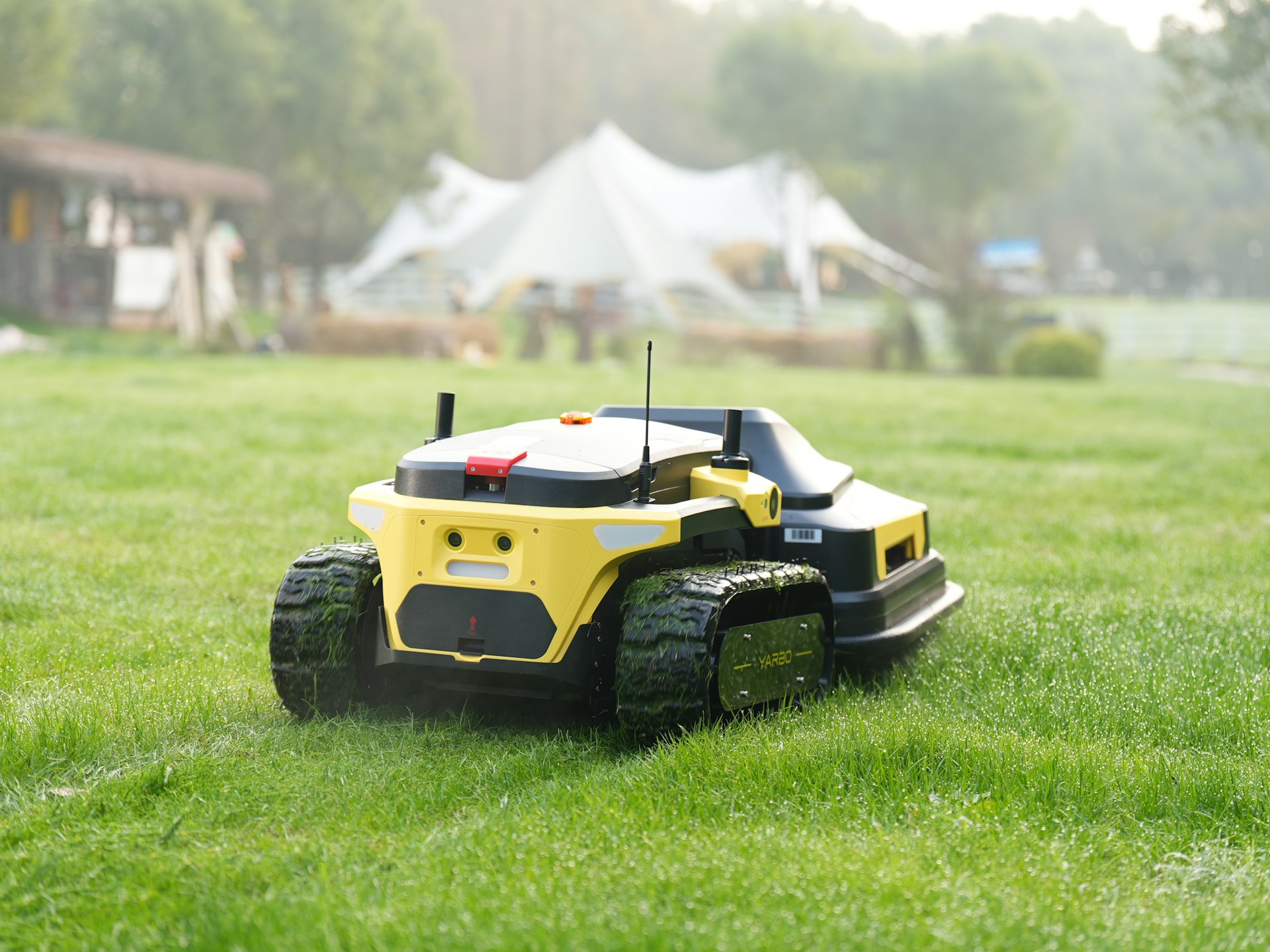
A robot lawn mower sounds like the kind of thing you buy, use enthusiastically for a fortnight, then watch gather dust in the shed next to the spiraliser and the foot spa. Three years ago that scepticism was fair. The early robot mowers were expensive, fiddly to set up, and produced patchy results that needed tidying with a normal mower anyway.
That’s changed. The current generation genuinely works. Set one up correctly and you stop thinking about mowing entirely — the lawn just stays at a consistent height, cut a little every day, the clippings so fine they vanish as natural feed. For the right garden, it’s the closest thing to a solved problem in lawn care.
The catch is “the right garden.” Robot mowers suit some layouts brilliantly and others terribly, and the difference matters more than which model you buy. So before the recommendations, the honest assessment of whether you should buy one at all.
Whether a robot mower suits your garden
The technology splits into two camps, and which suits you depends almost entirely on your lawn’s shape and complexity.
Boundary-wire mowers need a perimeter wire pegged or buried around the edge of your lawn. The mower stays inside the wire. Setup takes an afternoon (laying the wire) but once done, it’s reliable. These suit most gardens and tend to be cheaper.
Wire-free mowers use GPS, cameras, or both to map your garden without a physical boundary. Setup is faster and there’s no wire to damage with the strimmer later, but they cost more and can struggle with GPS signal under heavy tree cover or near tall buildings.
Either type works well on lawns that are reasonably open, mostly flat to gently sloping, and not chopped into many separate sections. Either type struggles with very steep slopes (above about 35%), lawns split into zones connected by narrow paths, or gardens with lots of obstacles the mower has to navigate around constantly.
The single biggest predictor of robot mower happiness: is your lawn one connected open area, or several small fiddly bits? One open area, even a large or oddly shaped one — a robot mower will love it. Several disconnected pockets with narrow connections — you’ll fight the technology constantly.
What I’d actually buy
For most UK gardens up to around 500sqm, the Worx Landroid range is where I’d start looking. The Landroid M500 handles up to 500sqm, uses a boundary wire, and the setup is genuinely manageable for a non-technical person in an afternoon. What sets it apart is the cut quality and the rain sensor — it returns to its charging base when rain starts and resumes when conditions improve, which matters in the British climate where “I’ll mow later” is a daily decision.
The Landroid copes with slopes up to 35%, navigates around obstacles sensibly, and the clippings are fine enough to act as mulch. Over a season, that mulching genuinely reduces how much feed your lawn needs. The app is functional rather than beautiful, but it does what you need — set the cutting schedule, adjust height, see when it last ran.
For larger lawns, up to about 1,000sqm, the Husqvarna Automower range is the benchmark and has been for years. Husqvarna effectively invented the category and their mowers show it — reliable, weatherproof, excellent cut quality, and genuinely set-and-forget once configured. The 305 model handles up to 600sqm, the 405X up to 1,000sqm. They cost considerably more than the Worx, but for a large lawn where you’d otherwise spend an hour mowing twice a week through the season, the maths works out quickly. The Husqvarna also handles complex lawn shapes better than most competitors and copes with slopes up to 40%.
If you want to skip the boundary wire entirely, the Mammotion Luba range uses RTK GPS to map the lawn without any perimeter wire. Setup is faster, there’s nothing to accidentally cut through with a strimmer, and the mapping is impressively accurate in open gardens. The trade-off is price (it sits at the premium end) and the requirement for clear GPS signal — under dense tree cover or hemmed in by tall buildings, the navigation degrades. For an open, unobstructed lawn, it’s the most futuristic of the options and the least hassle to install. For a garden surrounded by mature trees, the boundary-wire options are more reliable.
The budget end of the market — the sub-£400 robot mowers from brands you’ve never heard of — I’d avoid. The cut quality is inconsistent, the navigation is crude, and the build quality means they tend to fail within a couple of seasons. A robot mower is a multi-year investment that has to survive being outdoors in British weather. The cheap ones don’t, and the false economy is real.
Living with one through a British year
A few things the marketing doesn’t tell you about owning a robot mower in the UK specifically.
They mow little and often rather than occasionally and lots. A robot mower out most days, taking a few millimetres off each time, keeps the lawn at a consistent height that actually looks better than weekly mowing. The “little and often” approach is what greenkeepers recommend anyway; robots just make it effortless. But it means the mower is a visible presence in your garden most days, which some people love and others find oddly intrusive.
Winter storage matters. Through the UK winter (roughly November to March) the grass barely grows and the mower should be cleaned, charged, and stored indoors. The boundary wire stays in place outdoors; the mower itself comes in. Skipping winter storage shortens the mower’s life considerably.
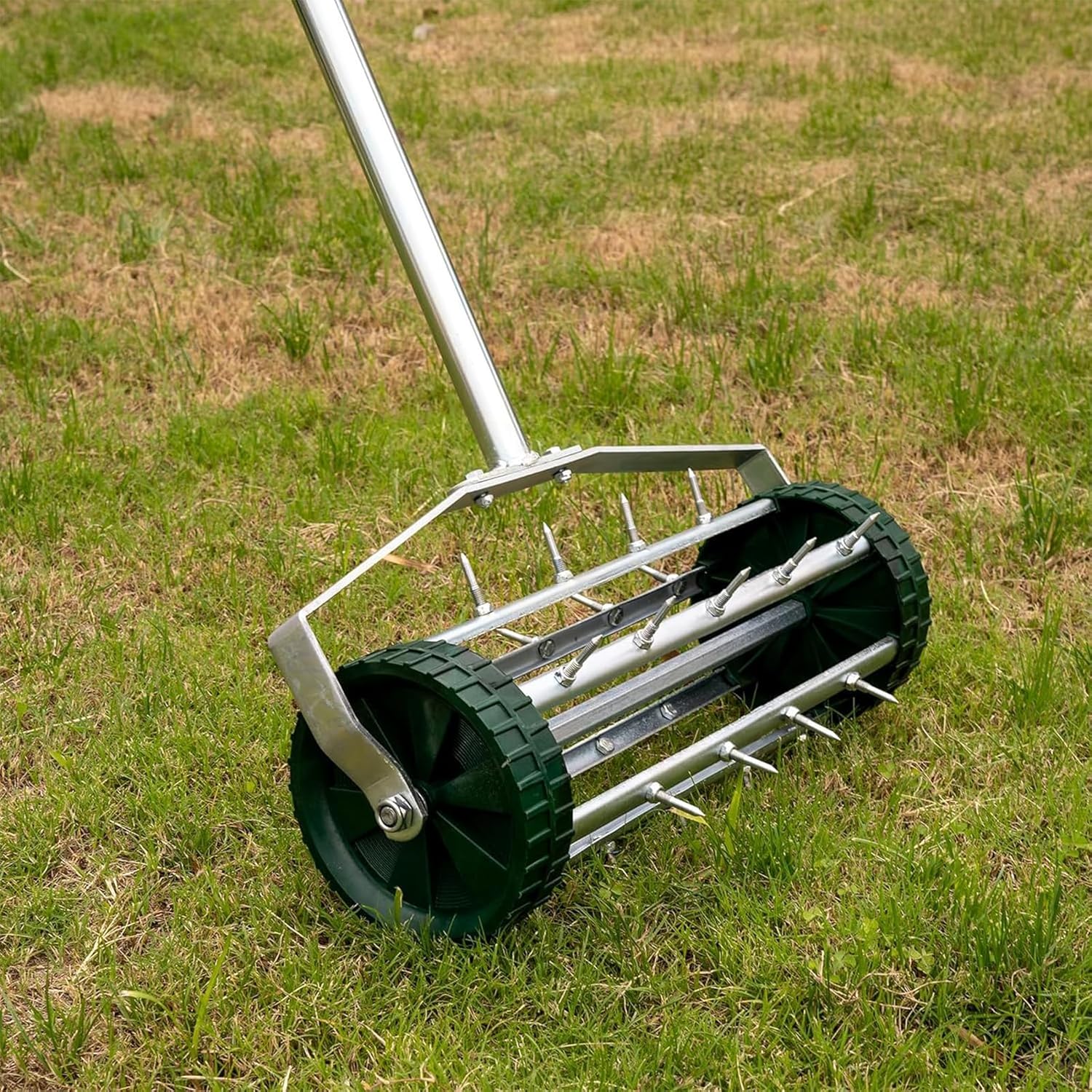
The boundary wire is vulnerable. Aerating the lawn, edging with a spade, or strimming carelessly can sever the wire, at which point the mower won’t run until you find and repair the break. Wire-free models avoid this entirely, which is a genuine point in their favour if you do a lot of lawn maintenance.
Security is worth a thought. Robot mowers are valuable and sit outside. Most have PIN locks and alarms, and some have GPS tracking so a stolen mower can be located. Worth checking what anti-theft features a model has, especially if your garden is accessible or overlooked.
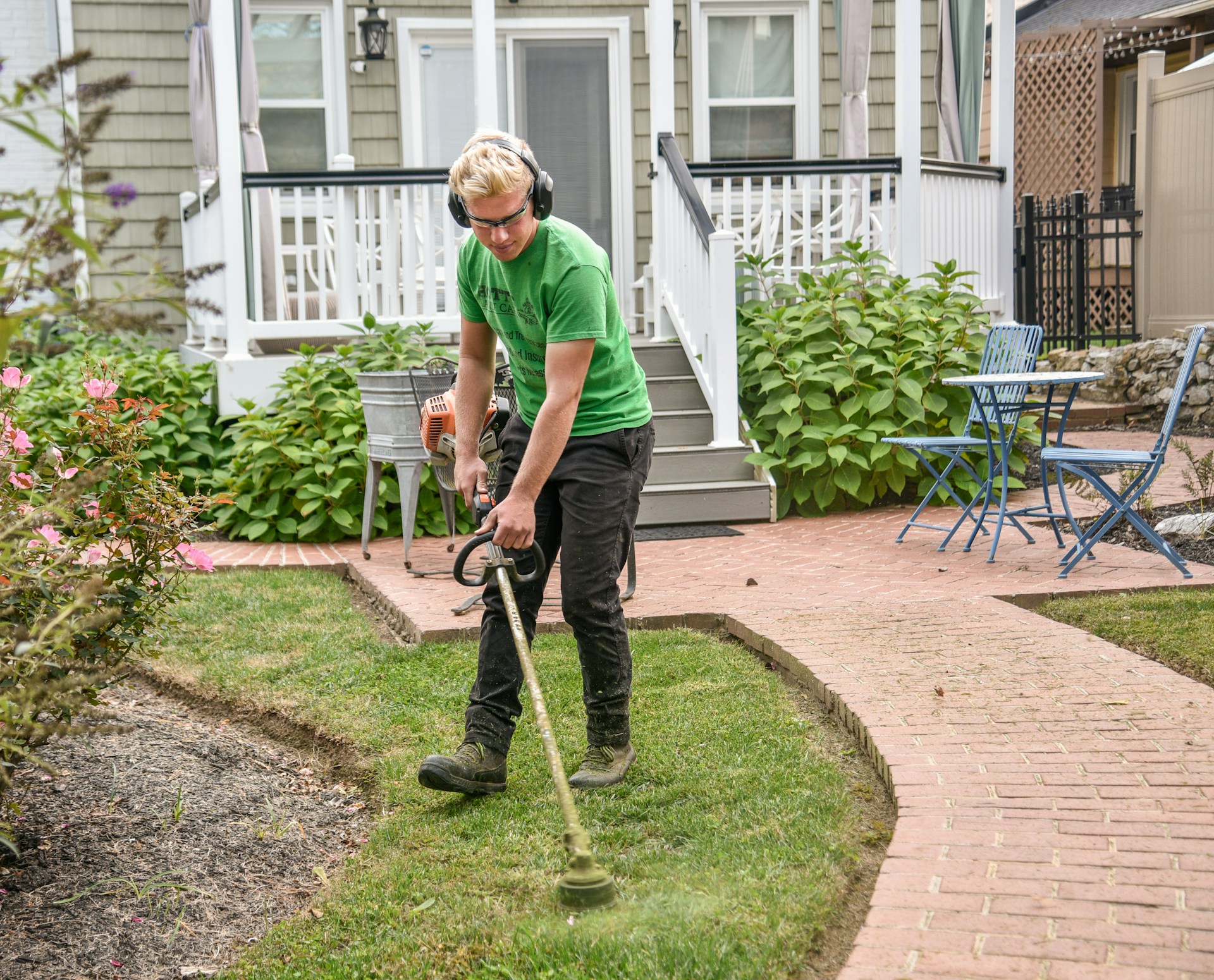
They don’t do edges. A robot mower cuts up to the boundary wire but can’t cut the very edge of the lawn against a fence, wall, or border. You’ll still need to trim edges occasionally with a strimmer or shears. It’s a few minutes every couple of weeks rather than the hour-plus a full mow takes, but it’s not literally zero maintenance.
The honest case for a normal mower instead
For all the genuine progress, a robot mower isn’t right for everyone, and it’s worth being clear about who should still buy a conventional mower.
If your lawn is small (under about 150sqm), the maths rarely justifies a robot mower. A small lawn takes fifteen minutes to mow with a decent cordless mower, and a good cordless mower costs a quarter of what a robot mower does. The convenience gain doesn’t match the cost.
If your lawn is split into several disconnected areas, you’d need either multiple mowers or a setup that constantly fights the technology. A normal mower you carry between areas is far less hassle.
If you genuinely enjoy mowing — and some people do, the stripes, the fresh-cut smell, the visible result — a robot mower removes a small pleasure from your week. That’s a real consideration, not a frivolous one.
And if you want lawn stripes, a robot mower won’t give them to you. The little-and-often cutting pattern produces an even, healthy, uniform lawn but no striping. For stripes you need a roller mower and the striping technique, which is fundamentally incompatible with how robot mowers work.
For the gardens robot mowers suit — open, single-area lawns from 200sqm upward, owned by someone who’d rather not spend summer evenings mowing — they’re genuinely transformative. For everyone else, a good cordless mower from our cordless mower guide remains the better buy.
What it costs over time
Robot mowers are a larger upfront cost than conventional mowers but the running costs are minimal — electricity to charge (pennies per week), replacement blades (small plastic blades, a few pounds for a set lasting months), and the occasional part. Over a five-year ownership period, the cost per year of mowing becomes reasonable, especially measured against the time saved on a large lawn.
The break-even thinking: a robot mower for a 500sqm lawn saves you roughly two hours of mowing per week through a seven-month growing season. That’s around 56 hours a year. Whether that time is worth the premium over a conventional mower is a personal calculation, but for a lot of people with larger lawns and limited weekends, it adds up quickly.
If you’ve decided a robot mower isn’t right for your garden, the cordless mower guide covers the conventional options. If you’re renovating a tired lawn before handing its maintenance to a robot, start with the renovation guide — a robot mower maintains a good lawn beautifully but won’t fix a bad one.