Autumn is the most under-used window in the UK lawn calendar. Most domestic gardeners do their major work in spring, but September and October genuinely produce better results — warmer soil, more reliable rainfall, less weed pressure, and the cool damp conditions of winter ahead to help newly established grass set deep roots.
This guide covers exactly what to do month by month across the UK autumn, from late August through to mid-November.
Why autumn beats spring for serious lawn work
Three factors make autumn the optimal window for renovation, overseeding, and structural lawn work.
Soil temperature is ideal. Late August through September, UK soils are at 14-18°C — warm enough for rapid grass germination but cool enough that new seedlings aren’t drought-stressed. Spring soils don’t reach this range until April or May, by which point you’ve lost weeks of growing time.
Rainfall is reliable. UK autumn rain handles the watering load that spring renovations require you to do manually. New seed needs near-daily moisture for the first two weeks; September delivers this naturally in most of the country.
Weed pressure is lower. Most weed seeds germinate in spring. Autumn renovation faces a fraction of the weed competition spring renovation does.
Recovery time is longer. A lawn renovated in October has roughly seven months to establish before being asked to perform in next summer’s heat. A spring-renovated lawn has only six weeks before peak summer stress.
The trade-off is that you need to act decisively. The autumn window is roughly six weeks long, from early September to mid-October. Miss it and you’re waiting until spring.
Late August: assess and plan
Before doing any physical work, walk the lawn with a notebook. Identify:
- Areas of moss accumulation and likely cause
- Bare patches and their probable origin (wear, dog urine, drought, shade)
- Compacted areas (test by trying to push a screwdriver into the soil — if it resists strongly, the soil is compacted)
- Thatch level (part the grass and look at the layer of dead material between live grass and soil — over 1cm is significant)
- Weed-dominated zones
- Drainage problem areas
This assessment determines what work the lawn actually needs. A lawn with thick thatch and moderate moss needs scarification. A lawn with compaction and yellowing needs aeration and feed. A lawn with bare patches but otherwise healthy grass needs targeted overseeding rather than full renovation.
Late August is also when to test soil pH if you haven’t in a few years. UK soils trend acidic over time, particularly under conifers or in high-rainfall areas. A simple pH test kit costs around £15 and tells you whether to apply lime in autumn (which has the winter to work into the soil before spring growth).
If you’ve identified serious problems, our complete UK lawn renovation guide walks through full renovation. For specific issues, see our guides on moss in lawns, yellow patches, and bare patches.
Early September: weed control if needed
If you’ve identified significant weed presence, deal with it before the structural work. Apply a selective lawn weedkiller (Resolva Pro, Weedol Lawn Weedkiller, or Verdone Extra) on a still, dry day with no rain forecast for 24 hours.
Wait 7-14 days for the weedkiller to work before scarifying or overseeding. New seed sown over a fresh weedkiller application typically fails to germinate.
For lawns without significant weed problems, skip this step and move directly to scarifying.
Mid-September: scarify
Mid-September is the ideal scarifying window. Soil is still warm enough to support recovery, and the lawn has the rest of autumn to thicken before winter dormancy.
Set the scarifier depth based on thatch level:
- Light thatch (under 1cm): Shallow setting, single pass. The goal is removing surface debris and lightly aerating, not heavy lifting.
- Moderate thatch (1-2cm): Mid-depth setting, two passes at 90 degrees to each other. Expect significant grass debris.
- Heavy thatch (over 2cm): Deeper setting, two passes. The lawn will look dramatically damaged afterwards. This is correct.
Collect all debris — either with the scarifier’s collection bag or by raking and bagging afterwards. The volume removed from a typical 100sqm lawn with moderate thatch is genuinely shocking, often filling 5-8 garden waste bags.
Our best electric scarifiers UK guide covers which scarifier suits which lawn size.
Late September: aerate and address compaction
After scarifying, the lawn surface is exposed and compaction (where present) becomes obvious. This is when to aerate.
For small lawns, a hollow-tine fork pulled across the soil at 10-15cm intervals does the job. For larger lawns, hire a powered hollow-tine aerator from a local hire shop for a day — typically £40-60.
Don’t confuse hollow-tine aerators (which remove plugs of soil) with solid-spike rolling aerators (which compress soil). Solid-spike machines are better than nothing but significantly less effective for serious aeration.
Leave the soil cores on the lawn surface to break down naturally over winter, or rake them off and add to the compost heap. Raking removes some of the topsoil benefit but produces a tidier short-term appearance.
If you’ve identified soil compaction or drainage issues, top-dress at this point with a sandy lawn dressing — roughly 5-10kg per square metre, brushed into the aeration holes. This gradually improves soil structure across multiple seasons.
Late September to early October: overseed
Overseed any thin or bare areas after scarifying and aerating, while the soil is still warm and rainfall is reliable.
Use a UK-appropriate seed mix matched to your lawn’s purpose. Most domestic lawns benefit from a renovation mix specifically designed for fast establishment — we cover seed selection in our best lawn seed for UK gardens guide.
Sowing rate for autumn overseeding is typically 30-50g per square metre. Sow in two passes at 90 degrees for even coverage. Don’t bury the seed deeply — light raking to settle into surface contact is enough.
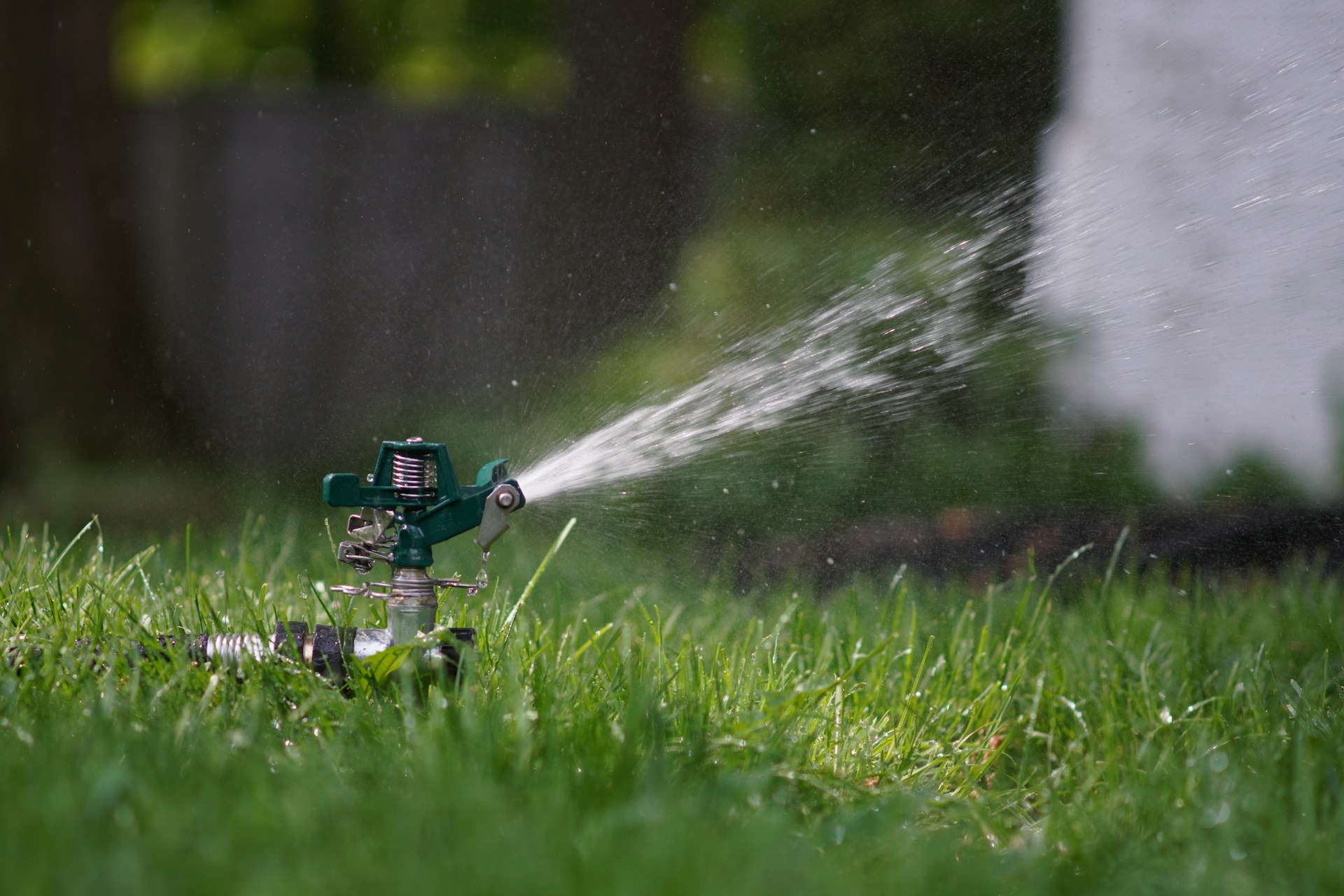
Water gently if rainfall doesn’t arrive within 48 hours. Most UK autumn weather handles this for you.
Germination takes 10-14 days at September soil temperatures. Avoid foot traffic on seeded areas for the first 4-6 weeks if possible.
Early October: autumn feed
A specific autumn feed differs from spring feed in formulation. Autumn feeds are lower in nitrogen (which would push soft growth vulnerable to winter damage) and higher in potassium and phosphorus (which strengthen roots and prepare grass for winter dormancy).
UK autumn feed options include Aftercut Autumn All In One, Westland Aftercut Autumn, and EverGreen Autumn. Apply at the rate the package specifies — around 35-50g per square metre is typical.
We cover feed selection in our best lawn feed for UK gardens guide.
If you’ve applied lime to address acidic soil, apply it before the feed, ideally a fortnight earlier so the soil chemistry has time to begin shifting.
Mid to late October: final cuts and leaf management
By mid-October, growth is slowing significantly. Continue mowing as needed but raise the cut height to around 40mm — slightly longer than summer height to provide some leaf area for photosynthesis through the shortening days.
The bigger autumn job is leaf management. Heavy leaf cover smothers grass, encourages disease, and creates ideal moss conditions over winter. Either:
- Rake leaves weekly while they’re falling
- Mow over them with a rotary mower set high to mulch them into the lawn (works for thin leaf cover)
- Use a leaf blower or garden vacuum to collect them efficiently
Don’t leave leaves to compress and rot on the lawn. Composting them elsewhere produces valuable leaf mould for next year’s beds.
Early November: final preparations
By early November, the lawn is entering dormancy. Final tasks before winter:
- Last cut of the season at 40-45mm — leaving slightly longer grass over winter helps with frost tolerance and reduces moss establishment
- Pick up any remaining leaves, branches, or debris
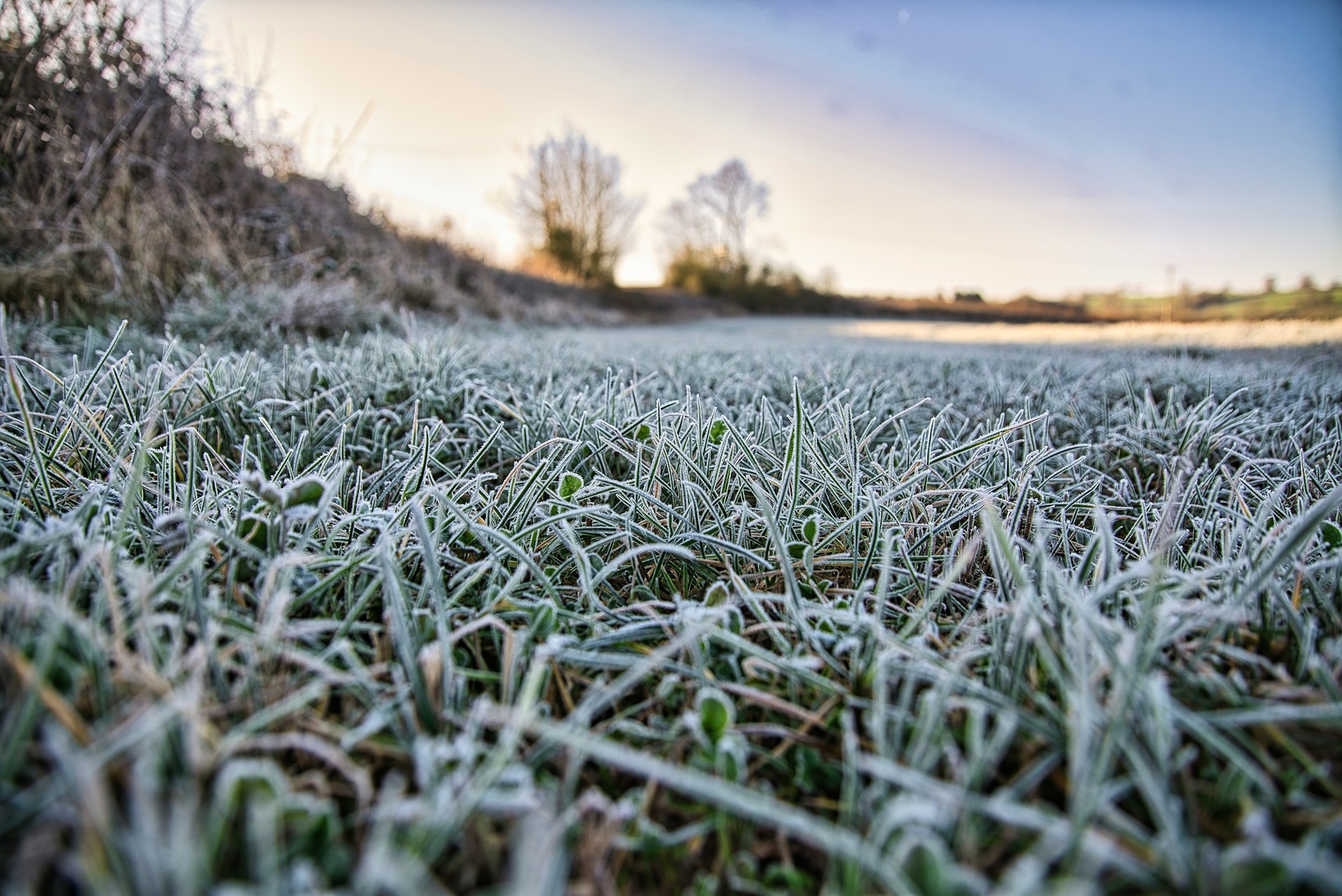
- Drain and store hosepipes and irrigation equipment to prevent frost damage
- Service mowing and scarifying equipment (drain petrol, charge batteries to storage levels, sharpen blades) before storing for winter
Our winter lawn care UK guide covers what (very little) to do once the lawn is dormant.
What we’d skip in autumn
A few autumn lawn practices widely recommended that aren’t worth your time:
Heavy nitrogen feed in late autumn. Pushing soft growth in October-November makes the lawn vulnerable to winter disease and frost damage. Use proper autumn feed, not summer feed marketed as universal.
Cutting too short for winter. The “scalp it short for winter” advice is wrong for UK conditions. Slightly longer grass overwinters better than short grass.
Returfing in October expecting performance. New turf laid in autumn establishes adequately but needs a full following year before performing under normal use. Plan accordingly if you’re returfing.
Treating moss in October without addressing structural cause. Killing autumn moss without fixing compaction, drainage, or pH means the moss returns identically next autumn. The work done in autumn should address causes, not symptoms.
The autumn calendar takes work to execute properly but pays back over the entire following season. A lawn that goes into November having been scarified, aerated, overseeded, fed appropriately, and de-leafed is set up for the easiest spring it’ll have for years.